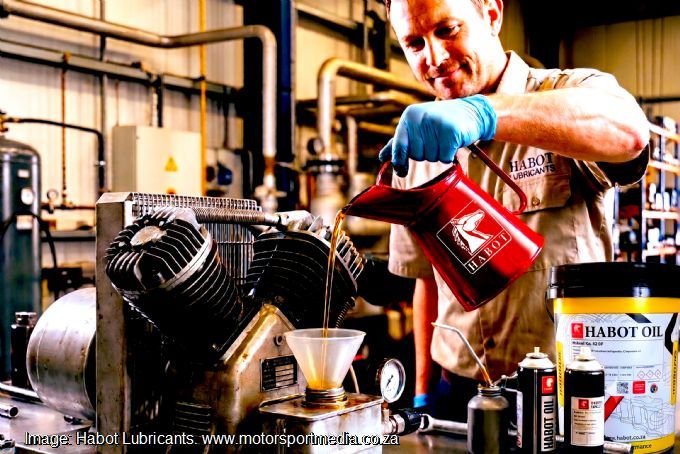
Habot synthetic oils make ammonia an unbeatable refrigerant
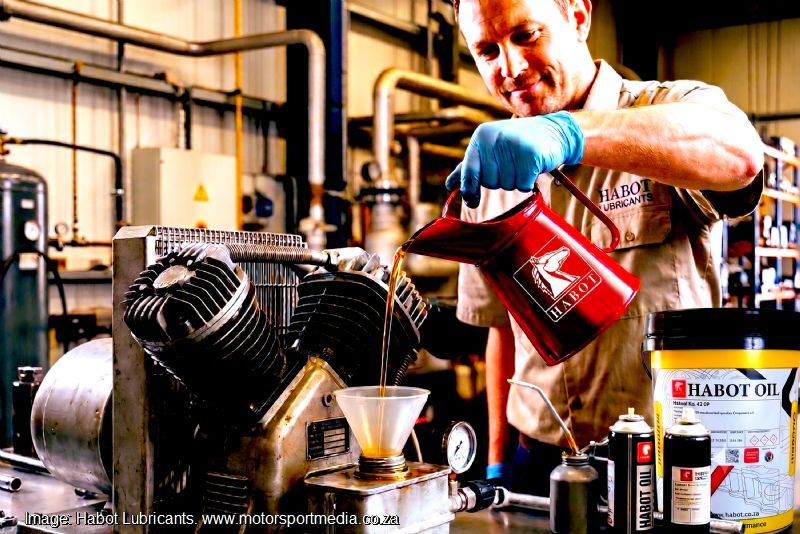
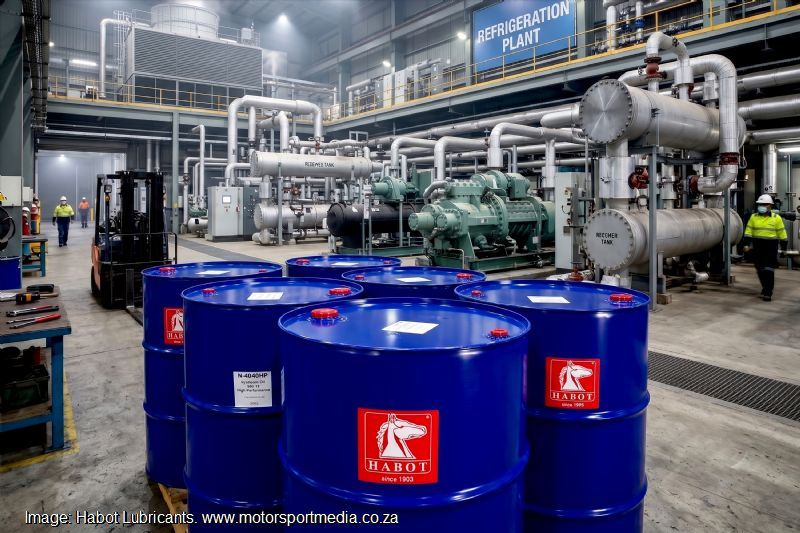
Habot synthetic refrigeration lubricants have changed the face of cooling. They make ammonia a far more viable refrigerant. Always considered efficient, challenges around the volatility and short operating life of traditional oils used in the application of ammonia, made it less popular than accepted CFC based coolants.
Habot’s recent advances using fully synthetic lubricants have however accelerated ammonia’s superior ability to operate at far higher stability and extreme temperatures for longer. Allied increases in ammonia’s performance as a refrigerant also reduces equipment downtime, which in turn cuts maintenance and costs.
“Using ammonia as a refrigerant is nothing new,” Habot Performance Lubricants marketing manager Adam Williamson explains. “The challenge was always its lubrication. Conventional oils operate at low temperatures and work well but are also prone to poor oxidation stability and higher volatility. All of which called for frequent oil changes and top-ups. Those costs made ammonia an impractical solution.
“Recent developments using synthetic lubricants have however revolutionised ammonia as a refrigerant. As the leading synthetic lubricants brand in South Africa, Habot leads the way in developing specialised synthetic oils, which now eliminate those traditional drawbacks to make ammonia the refrigerant of choice.”
Comprising one part nitrogen and three hydrogen, ammonia is completely natural, versus hazardous chlorofluorocarbon, or CFC compounds. Using synthetic oil now makes ammonia far less volatile and last much longer. Add ammonia’s natural advantages, and it is now the safest, cleanest, and cheapest refrigerant money can buy.
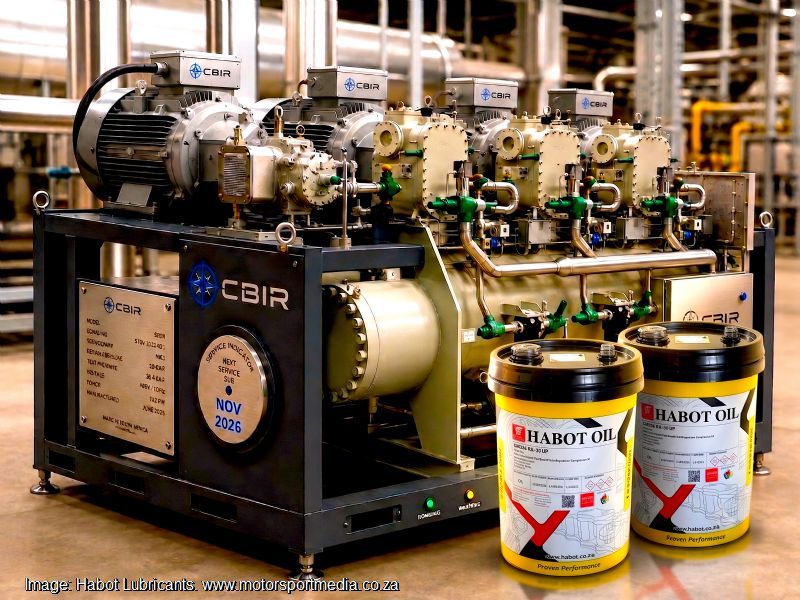
“Now blended with synthetic oils, Habot’s synthetic refrigeration compressor oil not only improves ammonia’s efficiency as a refrigerant, but it also promotes good oxidation and hydrolytic stability, superior cooling and heat transfer,” Habot technical manager Sharief Wheeder points out. “It also improves air, water, and oil separation.
“Using synthetic oil furthermore increases ammonia’s flash point, so it’s unlikely to ignite, and it even prevents corrosion. Unlike CFCs, ammonia won’t damage the ozone layer, but there’s still more to it,” Wheeder concludes. “Using synthetic oils in an ammonia refrigerant draws less power, so it costs less to operate. That’s significant!”
Synthetic oils don’t just make ammonia more sustainable and consistent for longer; they also save money in any cooling or refrigeration application. Be it a major refrigeration plant, air conditioning a skyscraper office block, your home or even your car or bakkie. Learn more at www.habot.co.za now!
Issued on behalf of Habot Oils
| What | : | Habot synthetic ammonia refrigeration oils |
| Where | : | Johannesburg |
| When | : | Friday 31 July 2026 |
| Community | : | South Africa National |
For further information please contact adam@habot.co.za
Click on thumbnails to Download images
 View
View
 View
View
 View
View
 View
View